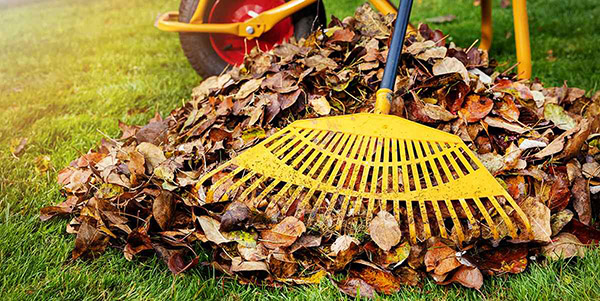
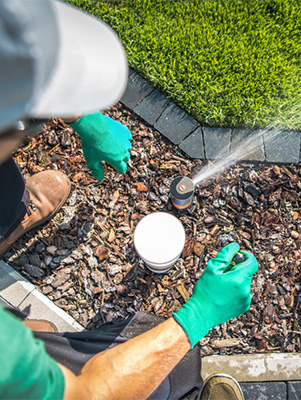
As summer winds down in Southeast Michigan, homeowners start thinking about fall cleanups, leaf removal, aeration, and preparing their landscapes for colder weather. One task that should not be overlooked is sprinkler winterization.
An irrigation system can still contain water even after you stop using it for the season. If that water remains in the system when freezing temperatures arrive, it can freeze, expand, and potentially damage pipes, valves, sprinkler heads, and other components.
The question is not just whether you should winterize your sprinkler system, but when you should have it done.
When Is the Best Time to Winterize Sprinklers in Southeast Michigan?
For most Southeast Michigan properties, sprinkler winterization takes place during the fall, before consistent freezing temperatures arrive.
You do not necessarily want to winterize at the first sign of a cool night. Your lawn and landscape may still benefit from irrigation during warm, dry stretches of early fall. At the same time, waiting until freezing weather is already in the forecast can leave little room to schedule service before your system becomes vulnerable.
That makes timing important. As temperatures begin trending downward and your lawn’s watering needs decrease, it is a good idea to get your sprinkler winterization appointment on the calendar.
Why You Should Not Wait for the First Freeze
Michigan weather can change quickly. A stretch of comfortable fall temperatures can be followed by a sudden cold snap, especially later in the season.
Waiting until freezing temperatures are imminent can create unnecessary risk. It is also when many other homeowners begin trying to schedule winterization at the same time, potentially making appointment availability more limited.
Scheduling ahead gives you more flexibility and ensures your irrigation system is prepared before temperatures become a concern.
Why Freezing Temperatures Can Damage an Irrigation System
Sprinkler systems contain a network of underground pipes, valves, fittings, and sprinkler heads. Simply turning off your irrigation controller does not necessarily remove the water remaining inside those components.
When water freezes, it expands. Water trapped inside irrigation components can therefore put pressure on the system and potentially cause cracks or other damage.
Some problems may not even become obvious until spring, when the irrigation system is turned back on. A damaged component can result in leaks, low pressure, improperly functioning sprinkler zones, or water appearing where it should not.
Professional winterization helps remove residual water from the irrigation system before those freezing conditions arrive.
Can You Winterize Your Sprinklers Too Early?
It is possible to shut down irrigation earlier than necessary.
Southeast Michigan lawns, trees, shrubs, and landscape beds may still need moisture during dry periods in early fall. Winterizing very early means you will no longer have your irrigation system available if warm and dry weather continues.
The goal is to find the right balance between keeping irrigation available while your landscape still needs it and protecting the system before freezing weather becomes a threat.
This is another reason it helps to plan ahead rather than choosing a winterization date solely based on the first cold night in the forecast.
Does One Cold Night Mean Your Sprinkler System Is Damaged?
A brief dip in temperature does not automatically mean your entire irrigation system has suffered freeze damage. Soil provides some insulation for underground components, and the duration and severity of cold conditions both matter.
However, exposed components can be more vulnerable, and repeated or prolonged freezing conditions increase the risk.
Rather than trying to predict exactly which cold night will cause a problem, winterization is intended to have the system prepared before damaging conditions arrive.
What Happens During Professional Sprinkler Winterization?
Professional sprinkler winterization involves more than simply shutting off the system.
The irrigation water supply is shut down, and compressed air is typically used to carefully remove water remaining within the irrigation lines and sprinkler zones. The process needs to be performed correctly because excessive air pressure can also damage irrigation components.
Once the system has been properly winterized, it can remain shut down until it is time for sprinkler startup in the spring.
Make Sprinkler Winterization Part of Your Fall Property Care
Sprinkler winterization fits naturally alongside the other work that prepares a Southeast Michigan property for the end of the growing season.
Fall cleanup, leaf removal, lawn aeration, landscape bed care, and irrigation winterization all address different parts of the property, but they share the same goal: helping your lawn and landscape make the transition into colder weather while reducing avoidable problems next spring.
Taking care of these services before winter also means fewer tasks are waiting for you when the growing season begins again.
Schedule Sprinkler Winterization Before Michigan’s Cold Weather Arrives
You cannot predict exactly when Southeast Michigan will experience its first significant freeze, but you can make sure your sprinkler system is prepared before it happens.
Transitions Outdoor Services provides professional sprinkler winterization for homeowners throughout Southeast Michigan. Scheduling your service ahead of freezing weather helps protect your irrigation system and gives you one less thing to worry about as fall comes to an end.
If your sprinkler system is still running as temperatures begin to cool, now is a good time to plan your winterization appointment and get your property ready for the season ahead.