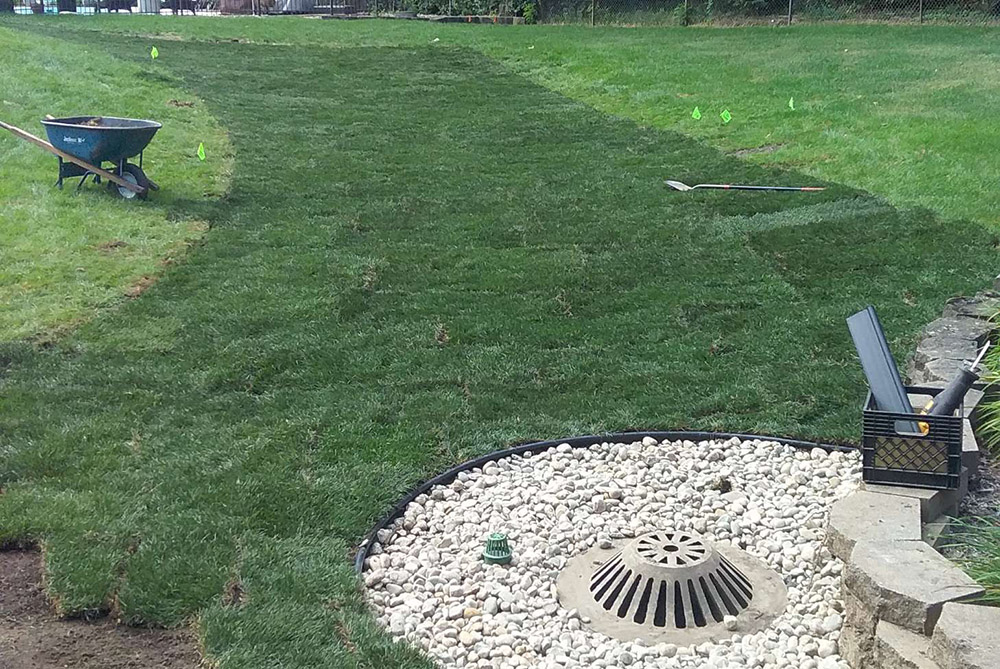
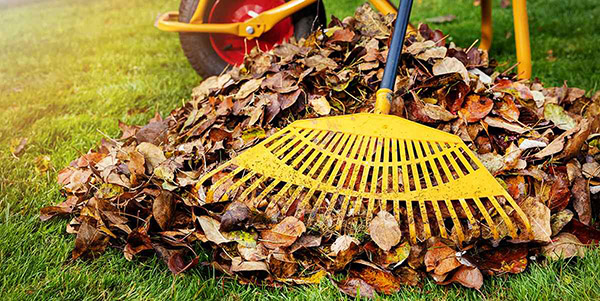
Spring in Southeast Michigan often brings a welcome change in temperatures, but it also brings periods of heavy rain that can quickly expose problems across your property. While some standing water after a storm may seem normal, persistent wet areas, soggy lawns, and water pooling near the home are often signs of larger drainage issues that should not be ignored.
What starts as a minor inconvenience in spring can eventually lead to damaged turf, struggling landscape beds, erosion, and even concerns around your home's foundation if the problem is left untreated.
Why Drainage Problems Become More Noticeable in Spring
After months of frozen ground and snow accumulation, Southeast Michigan properties are already saturated by the time spring rain arrives. During winter, soil becomes compacted from snow cover, foot traffic, and repeated freeze thaw cycles. Once temperatures warm and snow begins to melt, the ground often struggles to absorb additional rainfall efficiently.
This creates conditions where water collects in low spots, flows toward the home, or lingers in areas that should normally dry out much faster.
Heavy spring rain tends to reveal drainage problems that may not have been obvious during drier parts of the year.
Common Signs of Yard Drainage Issues
Not all drainage problems look dramatic right away. In many cases, the early warning signs are subtle.
Some homeowners notice puddles that remain in the lawn days after a storm. Others see areas of grass turning thin or yellow because the roots are staying too wet. Landscape beds may begin washing out, while mulch shifts or erodes during heavier rainfall.
In more severe cases, water may begin pooling near the home's foundation, collecting around patios, or creating muddy areas where grass struggles to grow at all.
These issues are especially common in Southeast Michigan neighborhoods with clay-heavy soil, where water drains much slower than it does in sandy conditions.
How Excess Water Impacts Your Lawn and Landscape
Healthy lawns need moisture, but too much water can be just as harmful as drought conditions. When soil remains saturated for extended periods, grass roots struggle to access oxygen. This weakens turf and makes lawns more vulnerable to disease, thinning, and poor growth throughout the season.
Landscape beds can also suffer. Constant moisture may stress plants, encourage root rot, and contribute to erosion that exposes roots or shifts soil away from planting areas.
Over time, recurring drainage issues can create ongoing maintenance challenges that become more difficult and expensive to correct.
Why Quick Fixes Often Do Not Last
Many property owners try temporary solutions such as filling low spots with soil or redirecting water manually after storms. While these efforts may help briefly, they often do not address the underlying drainage pattern causing the issue.
Proper drainage solutions focus on how water moves across the property as a whole. Factors like grading, runoff direction, soil composition, downspout placement, and surrounding landscape features all play a role in whether water drains effectively or becomes trapped.
Addressing the source of the problem typically leads to much more reliable long term results.
A Proactive Approach Helps Protect Your Property
Spring is one of the best times to evaluate drainage because rainfall naturally reveals where water is collecting and how it behaves across the property. Identifying issues early helps prevent additional lawn damage and allows improvements to be made before the wetter parts of the season continue.
drainage improvements can also support the overall health of your lawn and landscape by creating better growing conditions and reducing stress on plants and turf.
For many Southeast Michigan properties, drainage planning works best when combined with broader landscape maintenance and property care. Healthy lawns, properly maintained beds, and effective water management all work together to support a stronger landscape over time.
Local drainage Solutions for Southeast Michigan Properties
Every property handles water differently, especially across Southeast Michigan where soil conditions and elevation changes vary significantly from one neighborhood to the next.
Transitions Outdoor Services works with homeowners and commercial properties to identify drainage concerns and develop solutions that help protect lawns, landscape beds, and outdoor spaces from excess water damage. Whether you are noticing soggy areas after storms or dealing with recurring standing water each spring, addressing the issue early can help prevent bigger problems later on.
If heavy spring rain is creating ongoing issues around your property, now is the ideal time to evaluate your drainage situation and create a plan for long term improvement.