Why Your Grass Looks Dead in February (and When It Actually Wakes Up)
By February, many Southeast Michigan lawns look rough. Grass appears brown, flattened, or completely lifeless, and it is common for homeowners to wonder whether winter has done permanent damage. The good news is that in most cases, what you are seeing is a normal part of how cool season grass survives Michigan winters.
Understanding what is happening beneath the surface can help ease concerns and explain why patience and proper timing matter as spring approaches.
Dormancy Is a Survival Mechanism
Grass does not die when winter arrives. Instead, it enters a dormant state to protect itself from cold temperatures, snow cover, and limited sunlight. During dormancy, growth slows dramatically and the blades lose their green color as energy is stored in the roots.
In February, lawns often look worse than they did earlier in winter because of snow mold, moisture, and prolonged cover from snow piles. Foot traffic and melting snow can also leave grass matted and muddy, which adds to the appearance of damage.
Why February Lawns Look Especially Rough
Southeast Michigan winters bring frequent freeze thaw cycles, snow accumulation, and periods of saturation. These conditions compress grass blades and compact soil, especially in high traffic areas or where snow is piled repeatedly.
Salt from sidewalks and driveways can further stress turf along edges, causing discoloration and thinning that stands out once the snow melts. While this can look alarming, it does not always mean the grass is dead.
When Grass Actually Wakes Up in Michigan
Grass does not respond to warmer air alone. Soil temperature is the real trigger. In Southeast Michigan, most cool season grasses begin waking up when soil temperatures consistently reach the low to mid 50s.
That usually happens well after February, often in late March or April depending on the year. Until then, lawns may remain brown or patchy even during brief warm spells. Early green growth during a warm week does not mean the lawn is fully active, and a return to cold temperatures can slow things back down again.
Why Early Intervention Can Cause Problems
One of the most common mistakes homeowners make is trying to fix a dormant lawn too early. Raking aggressively, fertilizing prematurely, or walking heavily on saturated turf can damage grass that is still fragile from winter.
The best approach during late winter is observation and planning. Identifying areas that may need overseeding, aeration, or soil improvement allows services to be scheduled when the lawn is ready to respond.
How Spring Care Helps Dormant Lawns Recover
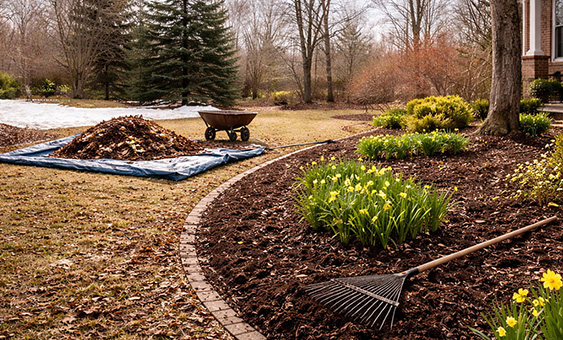
Once grass begins actively growing, the right services help it recover quickly from winter stress. Removing debris allows sunlight and air to reach the turf. Addressing compaction improves water absorption and root development. Overseeding and fertilization support thicker growth and help fill in thin or damaged areas.
Lawns that receive consistent care during the spring transition tend to green up more evenly and maintain better health throughout the growing season.
Patience and Planning Make the Difference
A lawn that looks lifeless in February is not a lost cause. In most cases, it is simply waiting for the right conditions to return. Understanding the natural dormancy cycle helps prevent unnecessary stress and sets realistic expectations for spring recovery.
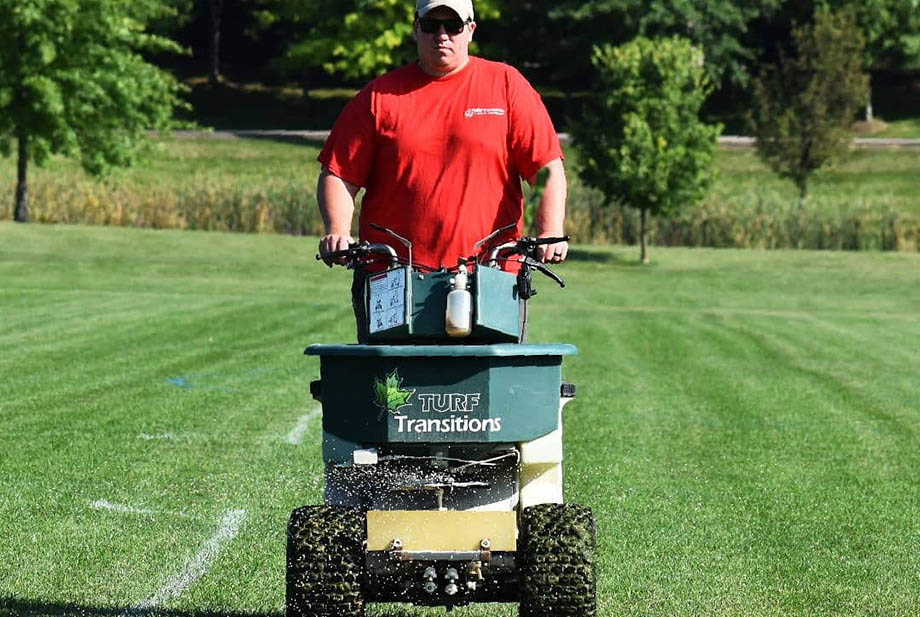
Transitions Outdoor Services works with homeowners and commercial properties throughout Southeast Michigan to evaluate winter lawn conditions and plan effective spring care. From early season assessments to ongoing maintenance planning, a proactive approach helps lawns wake up stronger and stay healthier all year long.
If your lawn is looking rough after winter, now is the perfect time to plan for spring services and ensure it gets the care it needs when growth begins.