Many homeowners in Southeast Michigan apply fertilizer in early spring hoping to jump start a greener, healthier lawn. While fertilizer is an important part of lawn care, its effectiveness depends heavily on the condition of the lawn and soil before it is applied. If debris is covering the turf or the soil has become compacted over winter, fertilizer may not reach the roots where it is needed most.
Understanding how debris and soil compaction affect fertilizer performance can help ensure your lawn receives the full benefit of spring treatments.
Why Fertilizer Needs Access to the Soil
Fertilizer works by delivering nutrients that grass absorbs through its root system. Nitrogen, phosphorus, and potassium help support growth, strengthen roots, and improve overall turf health. For this process to work properly, nutrients must move through the grass canopy and into the soil.
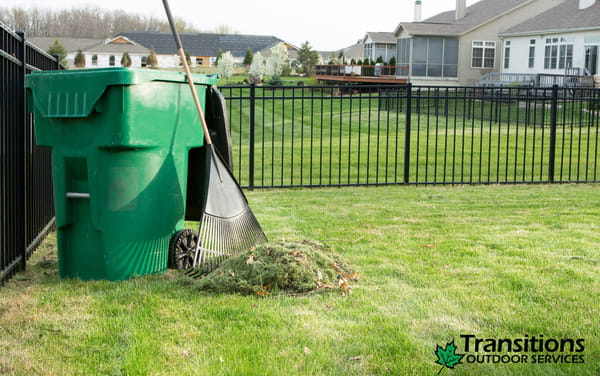
When lawns are covered with leaves, sticks, and other debris left behind from winter, fertilizer may sit on top of that layer instead of reaching the soil. Rain or irrigation can wash some nutrients away before they have a chance to be absorbed. In these situations, fertilizer treatments become less efficient and the lawn may not respond as expected.
Clearing debris before fertilization allows nutrients to reach the soil surface and begin feeding the lawn where it matters most.
The Hidden Problem of Compacted Soil
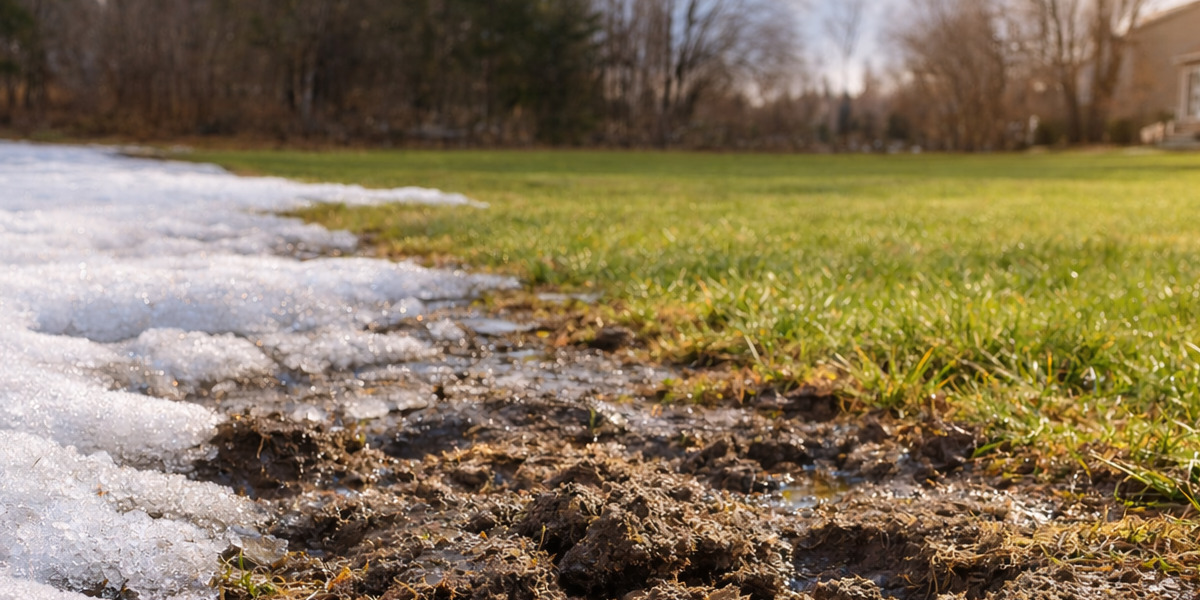
Compacted soil is another common issue in Southeast Michigan, especially after a winter of snow piles, foot traffic, and freeze thaw cycles. When soil becomes compacted, the spaces between soil particles shrink, limiting the movement of air, water, and nutrients.
Grass roots rely on these spaces to grow and access the nutrients provided by fertilizer. If the soil is too dense, nutrients may remain near the surface while roots struggle to absorb them. Water can also run off instead of soaking in, carrying valuable nutrients away from the lawn.
This is one reason lawns sometimes show uneven results after fertilization. Areas with healthy soil structure respond well, while compacted areas remain thin or slow to green up.
Why Spring Cleanup Improves Fertilizer Results
Preparing the lawn before applying fertilizer helps ensure nutrients are used efficiently. A proper spring cleanup removes leftover leaves, branches, and organic debris that block fertilizer from reaching the soil.
Cleaning up garden beds and turf areas also allows the lawn to receive more sunlight and airflow as temperatures begin to rise. This creates better conditions for grass to wake up from winter dormancy and respond to fertilization.
In many cases, addressing soil compaction through services such as aeration later in the season can further improve fertilizer performance by allowing nutrients to move deeper into the soil.
A Better Approach to Lawn Care
Fertilizer works best when it is part of a broader lawn care strategy rather than a stand alone treatment. Clearing debris, improving soil conditions, and timing applications properly all play a role in how well a lawn responds.
For properties across Southeast Michigan, this often means starting with spring property cleanup before moving into fertilization and other seasonal services. Taking this approach helps lawns recover from winter stress and develop stronger growth throughout the year.
Planning for a Healthier Lawn This Season
Every lawn responds differently depending on soil conditions, traffic patterns, and the effects of winter weather. Evaluating these factors early in the season can make a big difference in how well fertilizer treatments perform.
Transitions Outdoor Services works with homeowners and commercial properties throughout Southeast Michigan to prepare lawns for spring, remove debris, and support healthy turf growth throughout the year. With the right preparation and ongoing maintenance, fertilizer can do what it is intended to do: strengthen your lawn from the roots up.