Falling leaves might be beautiful this time of year, but if they're collecting around your home, they could be setting you up for a costly and frustrating surprise.
Even leaves that never make it into your gutters can cause trouble when they pile up near your foundation or block natural drainage paths.
It's not just about keeping your yard looking tidy; it's about protecting your property from serious water issues. Let's take a closer look at how leaves can quietly wreak havoc on your home and what you can do to stop it.
How Leaves Contribute to Drainage Problems
When leaves accumulate along your roofline, in landscape beds, or near downspout outlets, they block the natural flow of rainwater away from your home. Instead of draining freely, water can back up, overflow, or pool near your foundation.
Here's what often happens next:
- Clogged Drainage Paths: Rainwater spills over areas where leaves have built up, saturating the soil near your foundation.
- Blocked Downspouts or Extensions: Water can't drain properly and begins backing up, sometimes leading to overflow.
- Basement Flooding: Water seeps into cracks in your foundation or overwhelms your sump pump.
- Mold, Mildew & Structural Damage: Prolonged moisture can lead to wood rot, foundation erosion, and costly repairs.
In short: A few piles of wet leaves can create thousands of dollars in water damage if left unaddressed.
Why This Is a Bigger Problem in the Fall
During fall in Michigan, leaves fall fast, and in large quantities. Combine that with seasonal rains and sudden cold snaps, and you've got the perfect storm for:
- Rapid buildup around downspouts and foundation edges
- Ice formation where water can't drain properly
- Overflowing rainwater that never reaches your drainage zone
If you haven't cleared leaves from around your home lately, now's the time.
How to Prevent Leaf-Related Flooding and Damage
-
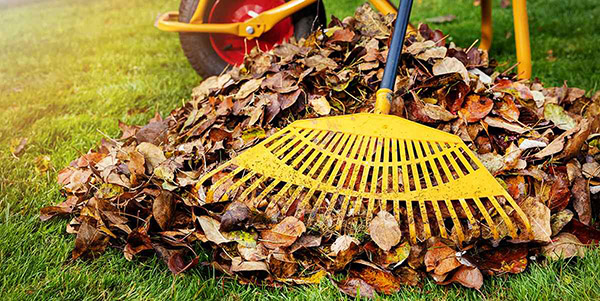
Keep Ground-Level Areas Clear
Regularly rake and remove leaves from your lawn, flower beds, patios, and the ground near downspouts and drainage zones. -
Ensure Downspouts Are Flowing Freely
Check that water is being directed several feet away from your foundation using downspout extensions or splash blocks. -
Inspect Your Drainage Paths
If you notice standing water or poor yard drainage, regrading or adding soil in low areas can make a big difference. -
Schedule a Professional Fall Cleanup
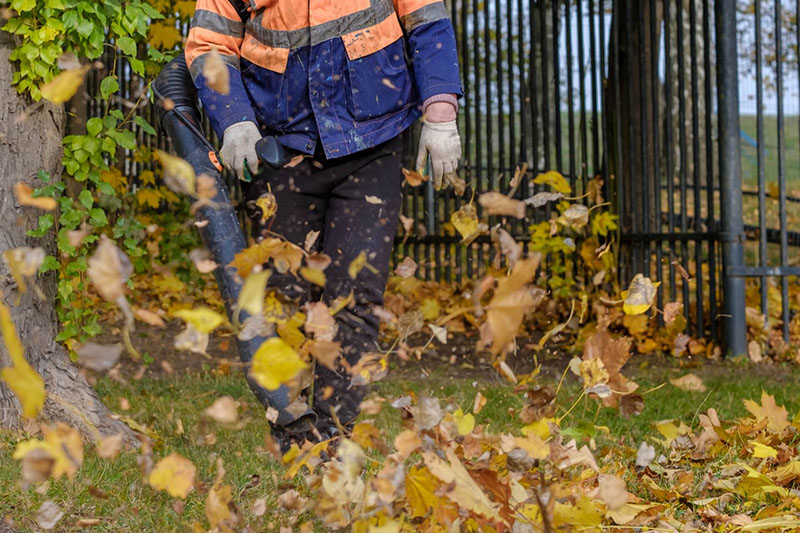
Our fall cleanups include comprehensive leaf and debris removal around your home and yard, especially near drainage points, to help prevent winter flooding and foundation damage.
Why It Matters: Real Consequences, Real Costs
Water damage isn't always immediate; and that's what makes it so dangerous. A slow trickle behind your siding or foundation wall can go unnoticed for weeks or months, leading to:
- $5,000+ in basement flood repairs
- Mold remediation (not covered by many insurance policies)
- Cracked foundations from soil expansion
- Rotting fascia, soffits, and other wood structures
Many homeowners don't realize the connection between leaf buildup and home flooding until it's too late.
Let's Get Ahead of the Problem
We know fall is busy, but a little maintenance now can save you thousands later. Whether you want a one-time cleanup or regular seasonal maintenance, the team at Transitions Outdoor Services is ready to help.
We proudly serve Plymouth, Northville, Novi, Livonia, South Lyon, Canton, West Bloomfield, Farmington, and Farmington Hills.
Ready to schedule your fall cleanup?
Contact us today we'll take care of the leaf and debris removal so you can enjoy the season worry-free.