Michigan winters rarely stay consistent for long. One week brings deep cold and frozen ground, the next brings milder temperatures and melting snow. These repeated freeze thaw cycles are a normal part of winter in Southeast Michigan, but they can quietly cause significant stress to your lawn and soil.
Understanding how this process affects your turf can help explain many of the lawn issues homeowners notice in early spring, and why proper preparation and recovery matter so much.
What Happens During Freeze Thaw Cycles
When temperatures drop below freezing, moisture in the soil freezes and expands. As temperatures rise, that frozen ground thaws and contracts. This constant expansion and contraction shifts soil, loosens roots, and creates uneven surfaces across your lawn.
Over the course of winter, these cycles can push grass plants upward, a process known as frost heaving. Once roots are exposed or loosened, turf becomes more vulnerable to drying out, disease, and damage as spring approaches.
How Freeze Thaw Cycles Affect Your Lawn
One of the most common results of freeze thaw stress is thinning grass in early spring. Even lawns that looked healthy in the fall may show bare patches or uneven growth once the snow melts. Compacted soil is another issue, especially in areas where snow piles, foot traffic, or plowing occurred.
Drainage problems can also become more noticeable. As soil structure breaks down, water may pool in low spots instead of soaking in evenly. These conditions make it harder for grass to establish strong roots once growth resumes.
Why Early Spring Care Matters
Because freeze thaw damage happens below the surface, it often goes unnoticed until spring growth begins. Early spring care focuses on helping the lawn recover rather than forcing growth too quickly.
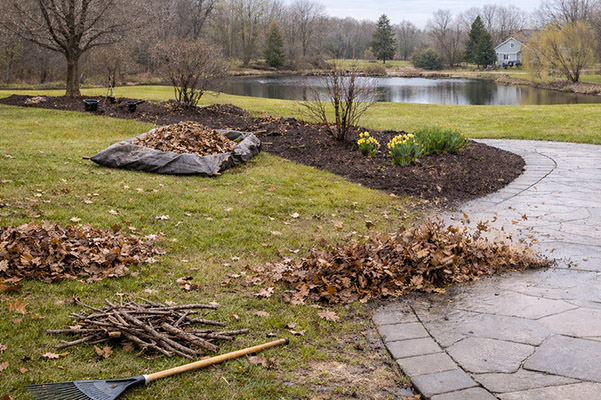
Removing debris allows sunlight and air to reach the turf. Addressing compacted areas improves water absorption and root development. Planning services like aeration, overseeding, and fertilization at the right time helps stabilize soil and encourage healthier regrowth.
Timing is especially important in Michigan. Acting too early can stress turf that is not ready, while waiting too long can allow damage to worsen as temperatures fluctuate.
What Helps Lawns Recover from Freeze Thaw Stress
A thoughtful maintenance approach makes a big difference after a winter marked by frequent temperature swings. Soil conditioning, proper fertilization, and overseeding help rebuild density and strengthen root systems. Managing foot traffic and equipment use during wet spring conditions also protects fragile turf from further compaction.
Most importantly, recovery works best when it is part of a larger seasonal plan. Lawns that receive consistent care throughout spring and summer are better equipped to withstand future stress and maintain a healthier appearance year after year.
Planning Ahead for Michigan Conditions
Freeze thaw cycles are unavoidable in Michigan, but the damage they cause does not have to be. Planning early allows lawn care services to be scheduled when they are most effective and helps prevent small issues from becoming larger problems later in the season.
Transitions Outdoor Services works with homeowners and commercial properties across Southeast Michigan to address winter lawn stress and prepare turf for healthy growth. From early spring assessments to full year maintenance planning, a proactive approach helps your lawn recover from winter and perform better throughout the year.
If your lawn is showing signs of winter stress or you want to get ahead of spring recovery, now is the right time to start planning for the season ahead.